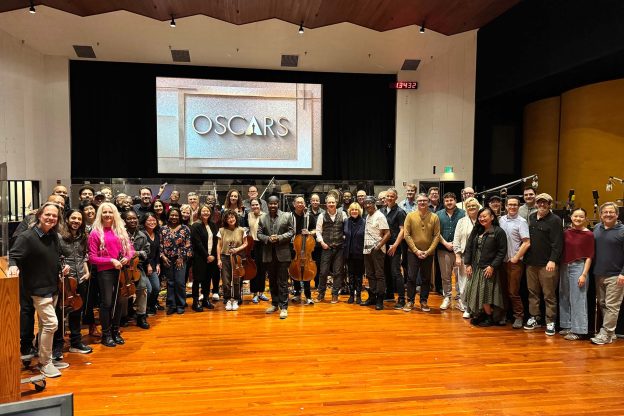
I came up as a recording musician in an industry powered by our labor and creativity. Like many of you, I learned early that talent and professionalism are only part of what sustains a career.
What ultimately makes the difference is working under fair, enforceable standards, and being part of a union strong enough to advance them.
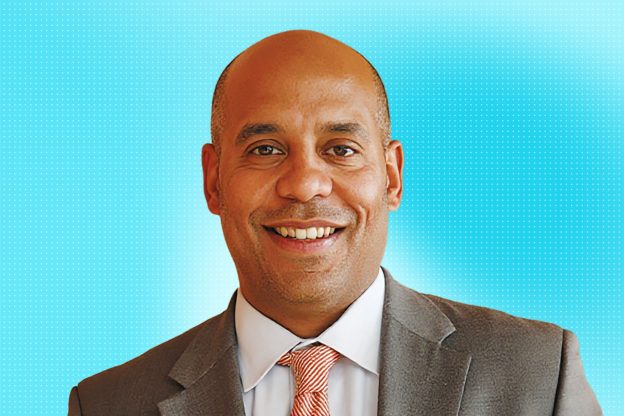
That understanding led me to rank-and-file activism, union leadership, and it now brings me to my new role as International President of the Recording Musicians Association.
The RMA exists within the AFM to organize recording musicians into a collective voice capable of shaping the future of our work. Organizing is not an abstract idea; it is the day-to-day work of connecting musicians, sharing information, and ensuring that no one is left to navigate this industry alone. When we organize effectively, our contracts are stronger, our standards are clearer, and our profession is more secure.
Our industry continues to evolve at a rapid pace. Streaming has transformed distribution. New production models have reshaped how and where recording work takes place. Advances in technology, including artificial intelligence, are raising complex questions about performance, reuse, and compensation. These changes make organizing more important than ever. They require coordination, education, and a shared strategy so musicians can meet the future from a position of strength.
These organizing efforts take many forms. They include expanding signatory relationships, supporting members working under our agreements, and ensuring that union standards remain the benchmark for professional recording. They also include equipping rank-and-file leaders and activists with the tools needed to engage colleagues, answer questions, and build confidence in collective action.
This work is often quiet and incremental, but it is essential. It happens when members welcome new players into the community, when someone takes the time to help a colleague understand their contract, and when musicians speak openly with one another about the realities and difficulties of working in this industry and find ways that they can participate. These actions may not make headlines, but they are the foundation of everything the AFM is able to accomplish.
Organizing also depends on communication. Members deserve clear, timely information about negotiations, industry trends, and the challenges we face. Transparency strengthens participation and helps musicians understand how they can play an active role in shaping our collective future.
I have seen, time and again, that when recording musicians are engaged and supported, they step up for one another. They protect standards not only for themselves, but for colleagues they may never meet and for the musicians who will enter this profession in the years ahead.
This column is intended as a space to recognize and share that work: the organizing happening every day, the progress it produces, and the opportunities ahead of us.
I am grateful for the trust placed in me, and I am proud to serve alongside so many dedicated musicians whose daily efforts give this union its real strength. Together, through organizing, we will continue to build a union that reflects our shared values and secures the future of recording musicians.