
April is Jazz Appreciation Month, and for those of us who came up playing the bandstand, carrying an amp up narrow staircases, and learning the trade from older players, it’s more than a celebration….. it’s a reminder of how this profession was built.
Here in Los Angeles, that history runs straight through Central Avenue, where from the 1930s through the 1950s some of the greatest jazz ever played in this country came out of union halls, nightclubs, recording studios, and live stages where musicians worked under AFM contracts that set real standards. Those contracts meant scale wages, pension, health, and the idea that musicians are professionals…. not hobbyists.
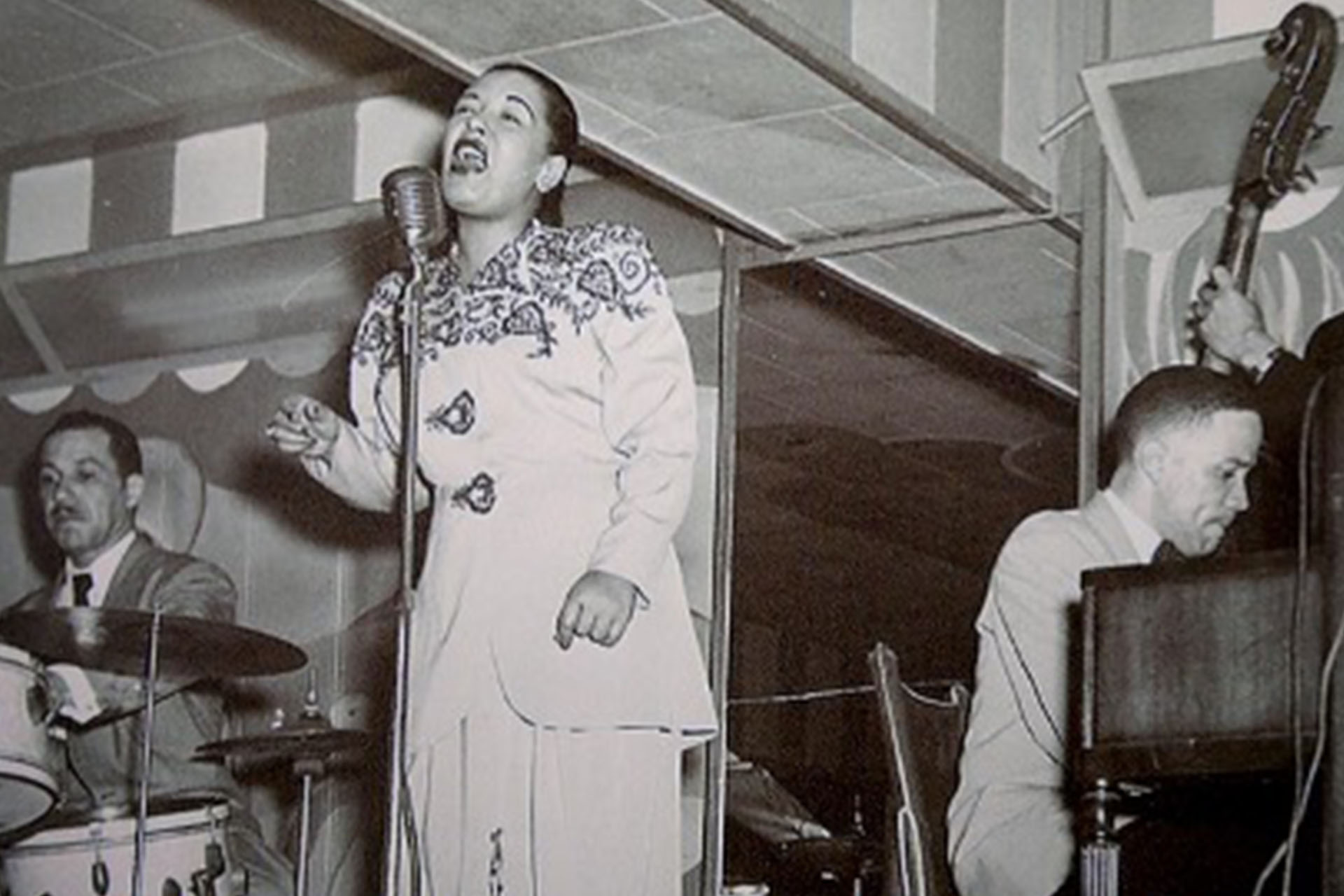
Players like Count Basie, Billie Holiday, Dexter Gordon, and Charles Mingus all worked in Los Angeles at a time when being in the union wasn’t optional if you wanted to work serious gigs. Those musicians fought for conditions we still depend on today. Every time a member collects pension, gets paid on a session, or files a claim, that goes back to the work those players did long before any of us showed up.
Jazz Appreciation Month is a good time to remember that the union didn’t appear by accident, it was built by musicians who stood together, enforced contracts, and made sure the next generation could make a living playing music. Our job now is to keep that structure solid.
Over the past month, work has continued on several fronts, from enforcing agreements to improving the Local’s financial position and making sure the organization is running the way it should.
Claims involving NBC Universal are still in progress, and we were finally able to collect outstanding payments related to a Stevie Wonder engagement, including penalties owed to the musicians. By the time you read this, some musicians in LA will have a little more cash in the bank, thanks to the power of our union.
Our staff attended the Los Angeles City College CTE Music Committee meeting, and we continued work on the RISE program at the end of February and beginning of March. Time was also spent reviewing pension matters, equipment needs, and an E2 systems analysis to improve operations.
Building and Property Report
Work on the building continues with a focus on doing what every working musician understands — keep expenses down, keep income steady, and don’t waste money.
A new office lease has been signed for a 12-month term, and additional parking rental agreements were also completed for 12 months, helping generate consistent income for the Local.
Recent upgrades resulted in major savings. Lighting work originally estimated at about $5,000 was completed for roughly $200, and elevator maintenance was negotiated down from $3000 annually to about $1,200. Alarm service contracts will be expiring soon, and we are reviewing options to reduce those costs going forward.
These efforts are starting to show results. The building has the potential to generate steady revenue, and we are beginning to see the first signs of positive return. The Local is still operating under financial pressure, and the deficit has not yet been eliminated, but careful management, increased rentals, and tighter control of expenses can significantly reduce losses.
The recent leases, parking agreements, and cost-saving improvements demonstrate that when the building is managed carefully and used to its full potential, it can produce steady and increasing income. As we continue improving operations and expanding revenue opportunities, the building can play an important role in strengthening our financial position and giving the Local the flexibility it needs to protect musicians, enforce agreements, and plan for the future with confidence.
In unity,
John Acosta
Vice President